
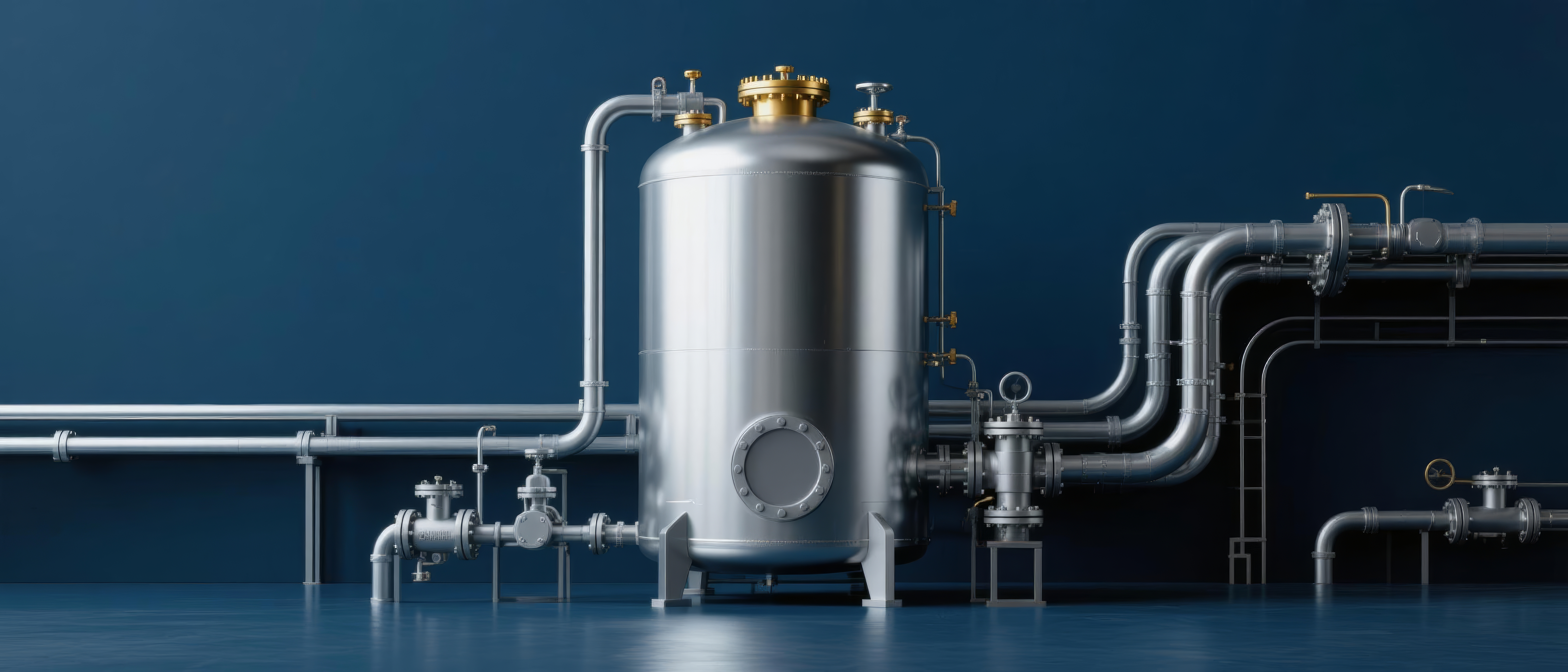
As the "industrial heart" of petrochemical, nuclear power, pharmaceutical and chemical industries, pressure vessels operate in extreme working conditions with high temperature, high pressure and strong corrosion, requiring extremely strict structural strength, sealing performance, processing precision and safety traceability. Laser technology has been deeply integrated into the entire production process of nesting, welding, marking and traceability, surface treatment, repair and operation and maintenance, becoming the core support for intelligent manufacturing, safety guarantee and long-term operation and maintenance of pressure vessels, helping the industry achieve high-precision, high-efficiency and high-reliability production.
1. Laser Welding (Ensuring Sealing and Structural Safety)
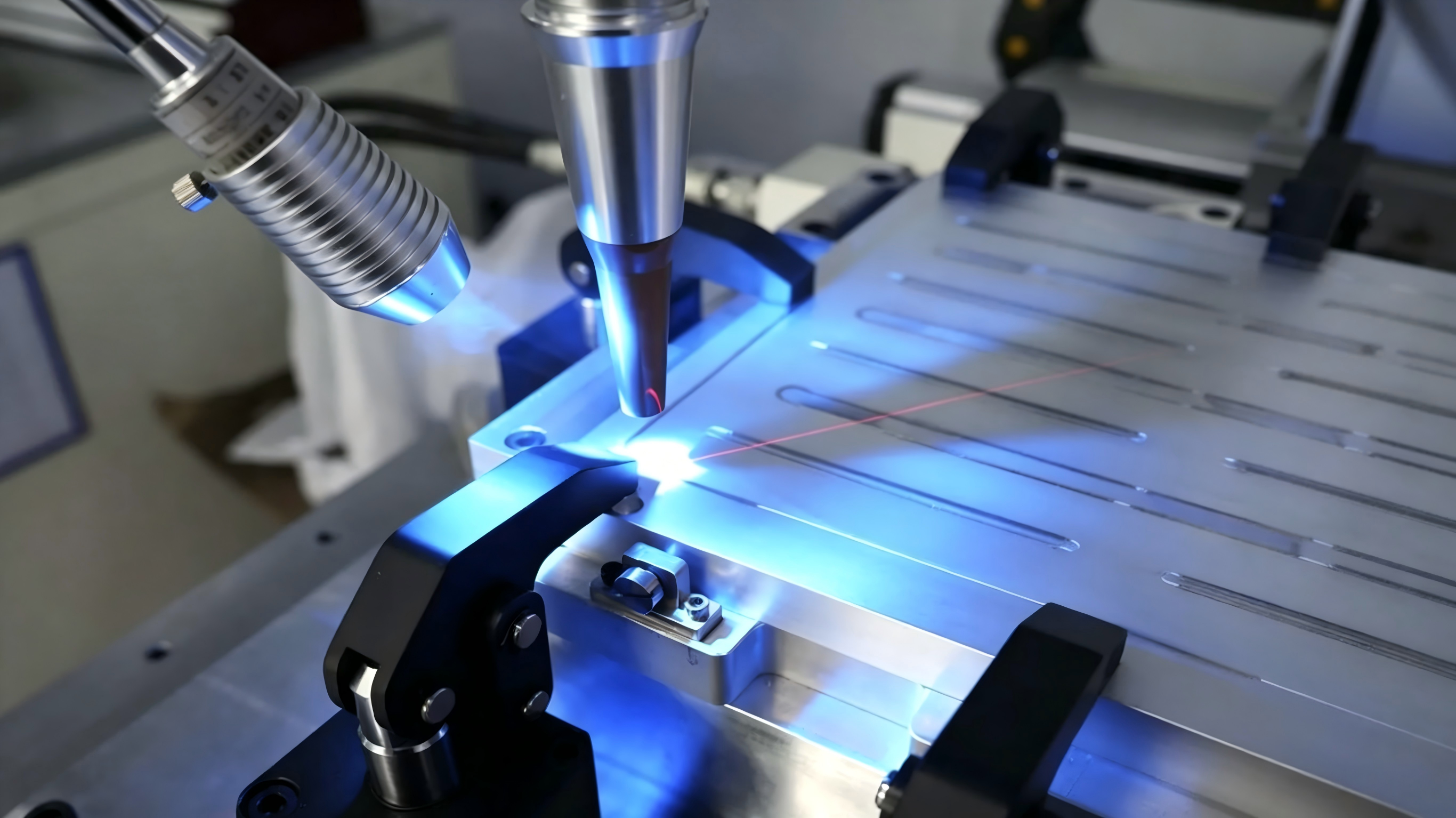
Core component welding: Covering the welding of cylinders, heads, nozzles and flanges of various pressure vessels such as storage tanks, reactors, heat exchangers and fluorine gas tanks. High-power laser welding technology is adopted, combined with laser tracking technology to realize real-time dynamic deviation correction, suitable for special materials such as Q345R vessel steel, Cr-Mo steel, stainless steel and nickel-based alloys. It has high weld strength and excellent sealing performance, which can reduce the leakage rate to an extremely low level, meeting the requirements of high-pressure working conditions. At the same time, it has small heat-affected zone and low deformation, greatly improving the welding qualification rate to more than 99.6%.
2. Laser Cutting (Precision Nesting, Adapting to Strict Standards)
• Vessel plate nesting: High-precision cutting of special thick plates (≤25mm) and large-format sheets for pressure vessels, suitable for common vessel materials such as carbon steel, high-strength steel and stainless steel. Nitrogen protection process is adopted, with cutting accuracy of ±0.05-0.1mm, supporting integrated cutting of various standard welds such as V-shaped bevels. The cutting edge is smooth, burr-free and slag-free, no subsequent grinding is required, reducing processing procedures and improving material utilization by 15%+, meeting the strict dimensional tolerance requirements of pressure vessels.
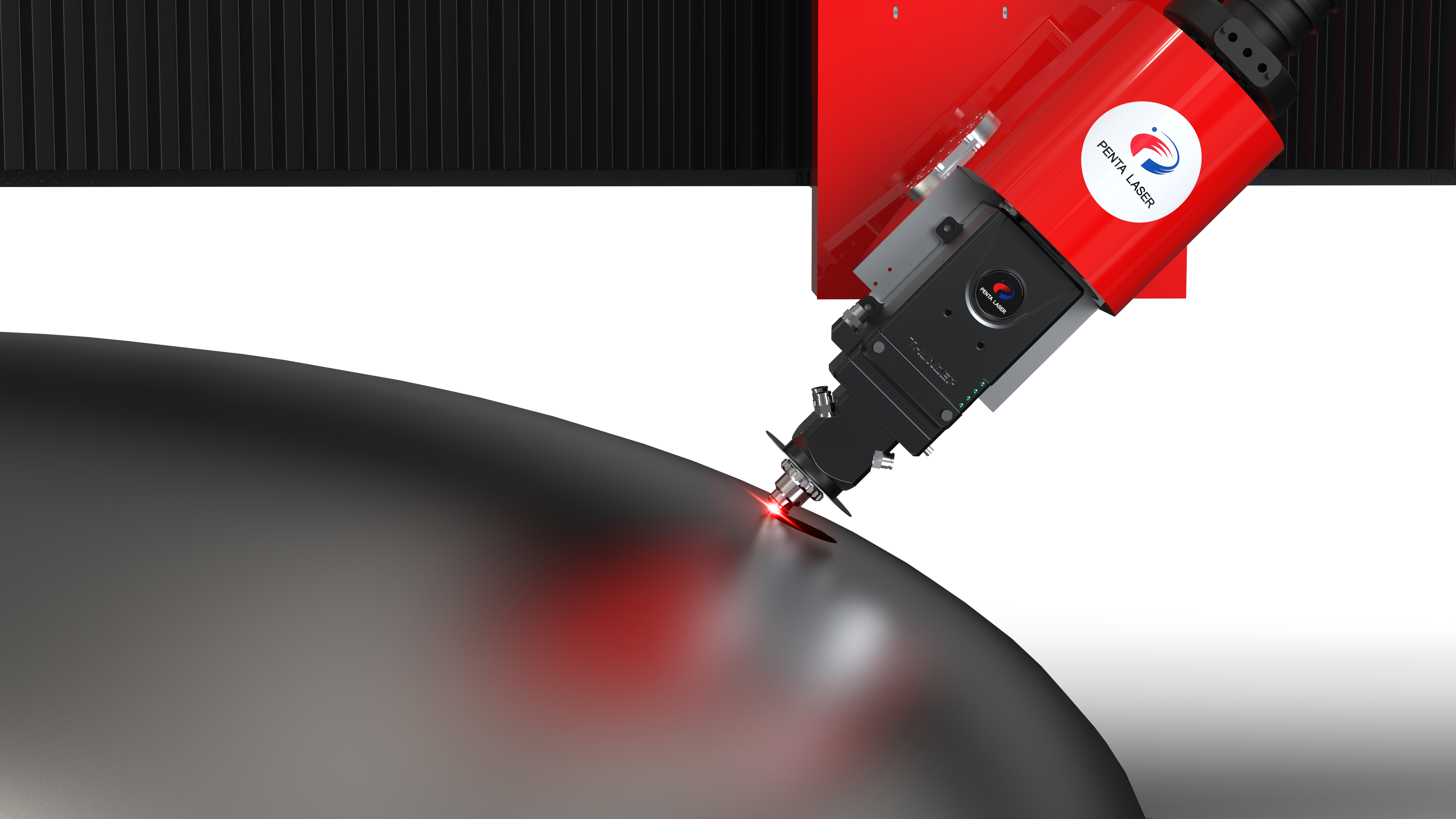
• Head cutting: Laser cutting of pressure vessel heads (elliptical heads, dished heads, spherical heads), adapting to integrated cutting of head curved surfaces, special-shaped contours and bevels. The cutting edge is flat and dimensionally accurate, avoiding head deformation and dimensional deviation caused by traditional cutting, ensuring precise docking of heads and cylinders, and improving the overall sealing performance and structural stability of the vessel.
3. Laser Marking (Full-Lifecycle Traceability and Compliance)
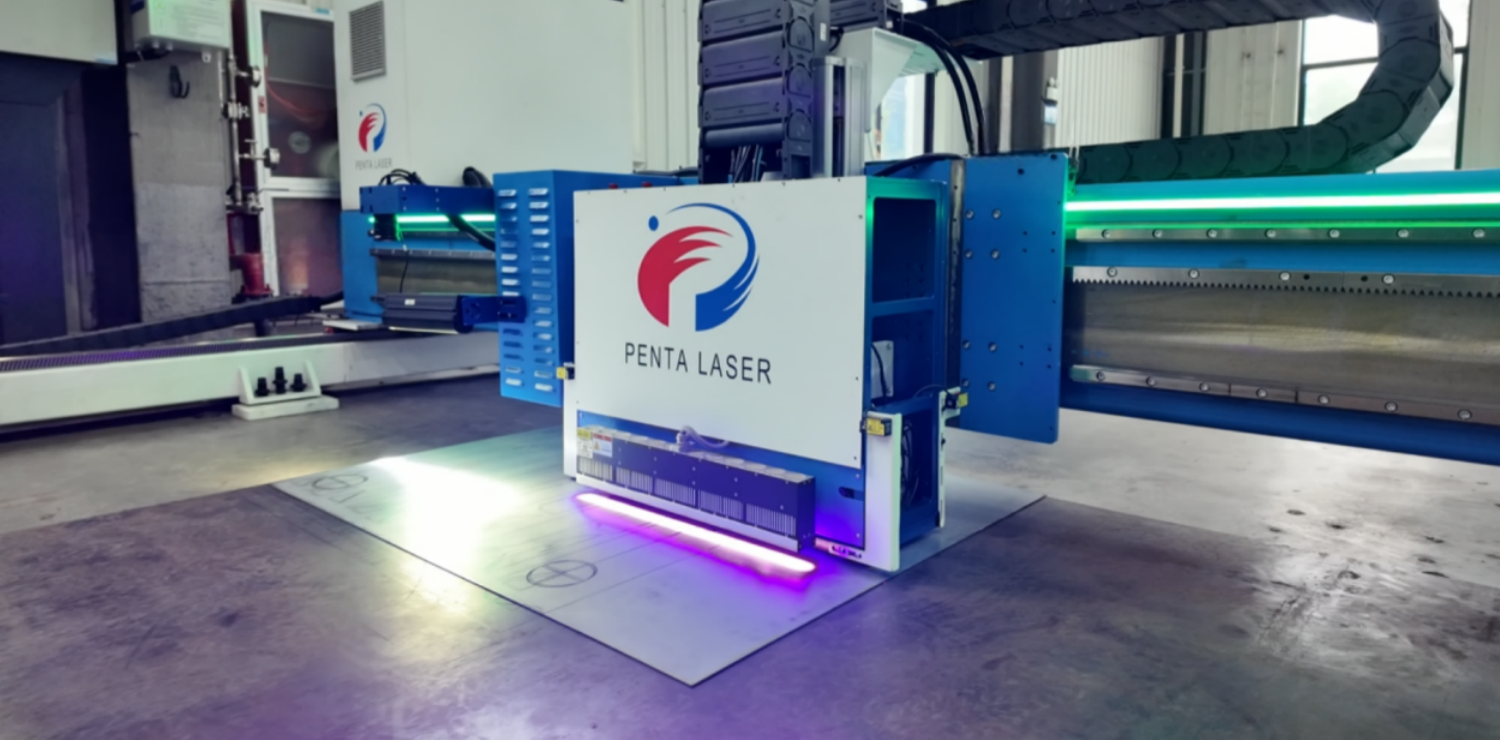
• Vessel body marking: Printing equipment numbers, specifications and models, manufacturing dates, quality inspection report numbers, QR codes and anti-corrosion grade marks on core parts such as pressure vessel cylinders and heads, which are wear-resistant, high-temperature resistant, corrosion-resistant and never fall off. It strictly meets the requirements of industry supervision and quality assurance, realizing the full-process traceability of vessels from production, inspection, installation to scrapping, and avoiding potential safety hazards.
Component traceability marking: Marking part numbers, material information and quality inspection results on supporting components such as pressure vessel nozzles, flanges and valves, supporting high-speed online marking, adapting to the rhythm of large-scale production, facilitating component traceability, quality control and later operation and maintenance replacement, and avoiding wrong or missing installation.
4. Laser Surface Treatment (Strengthening Performance, Extending Service Life)
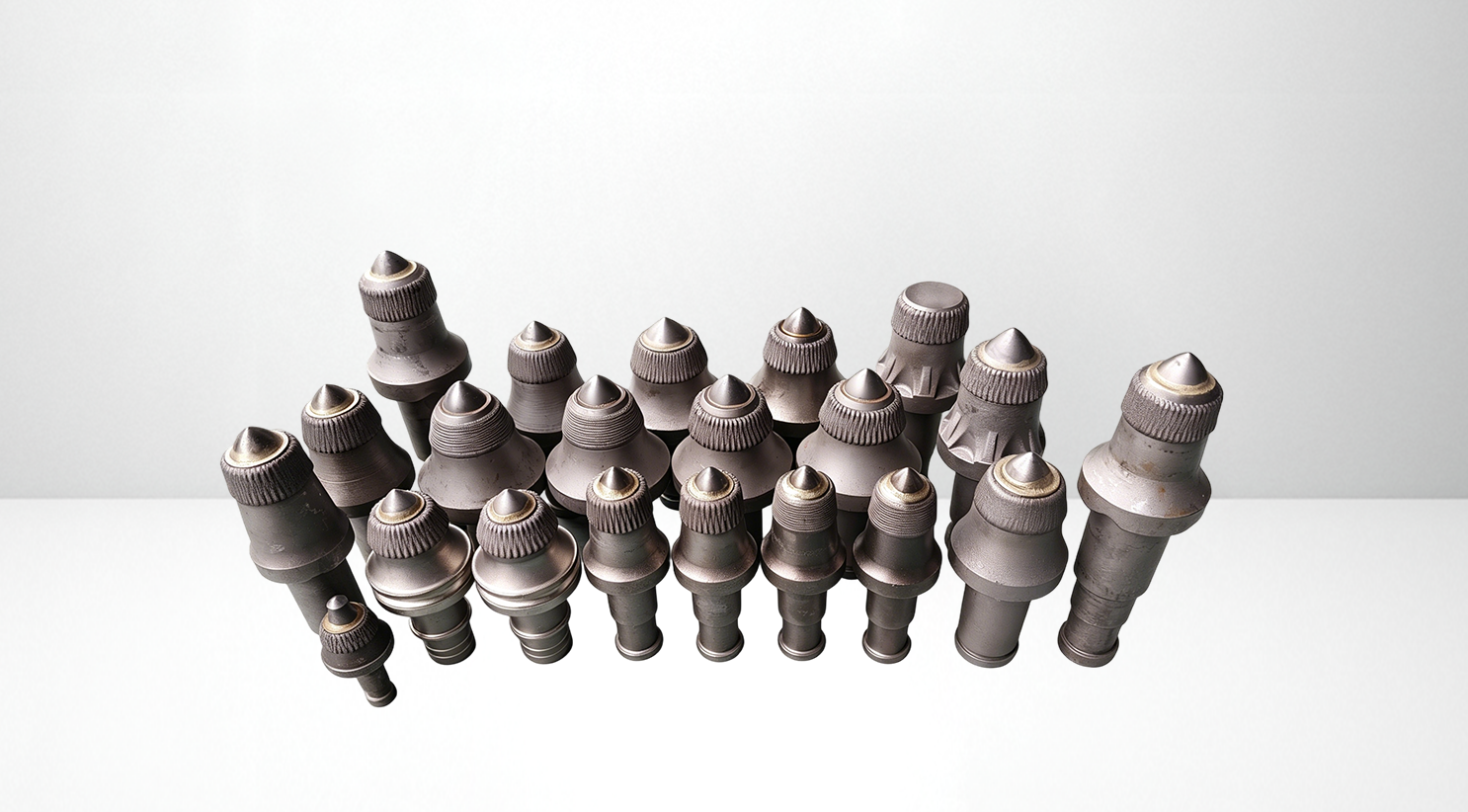
• Laser hardening/cladding (strengthening and repair): Surface strengthening of key stress-bearing parts such as pressure vessel flanges, nozzles and head edges, increasing hardness by 2-3 times, significantly enhancing wear resistance, corrosion resistance and fatigue resistance, extending vessel service life; it can also be used for repairing worn and corroded components, and the performance after repair meets the standard of new components, reducing operation and maintenance costs by 50%+, adapting to the long-term operation and maintenance needs of pressure vessels in nuclear power, chemical and other fields.
Key Benefits
• High safety: Laser welding has excellent sealing and strength, and laser tracking technology avoids welding deviation, greatly reducing the safety risks such as leakage and explosion of pressure vessels, meeting the requirements of high-temperature and high-pressure extreme working conditions, and conforming to the safety needs of the industry's high-risk attributes.
• Strict precision: ±0.05-0.1mm cutting and welding accuracy, adapting to the strict size and tolerance standards of pressure vessels, reducing rework rate, ensuring product qualification rate, and meeting industry compliance requirements.
• Efficiency improvement: High-speed cutting, one-step bevel forming and automated welding, combined with laser tracking system to reduce manual intervention, greatly shorten the production cycle, improve the efficiency of large-scale production, and the efficiency is more than 40% higher than that of traditional processes.
• Compliance and long-term: Laser marking realizes full-process traceability, meeting the requirements of industry supervision and quality assurance; laser strengthening and repair technology extends the service life of vessels, and green cleaning process conforms to environmental protection policies, helping the industry develop in a green and compliant way.


Copyright © 2026 奔腾激光(浙江)股份有限公司 Ltd. All Rights Reserved. POWERED BY WEIMOBTRADE
