
Tube Cutting
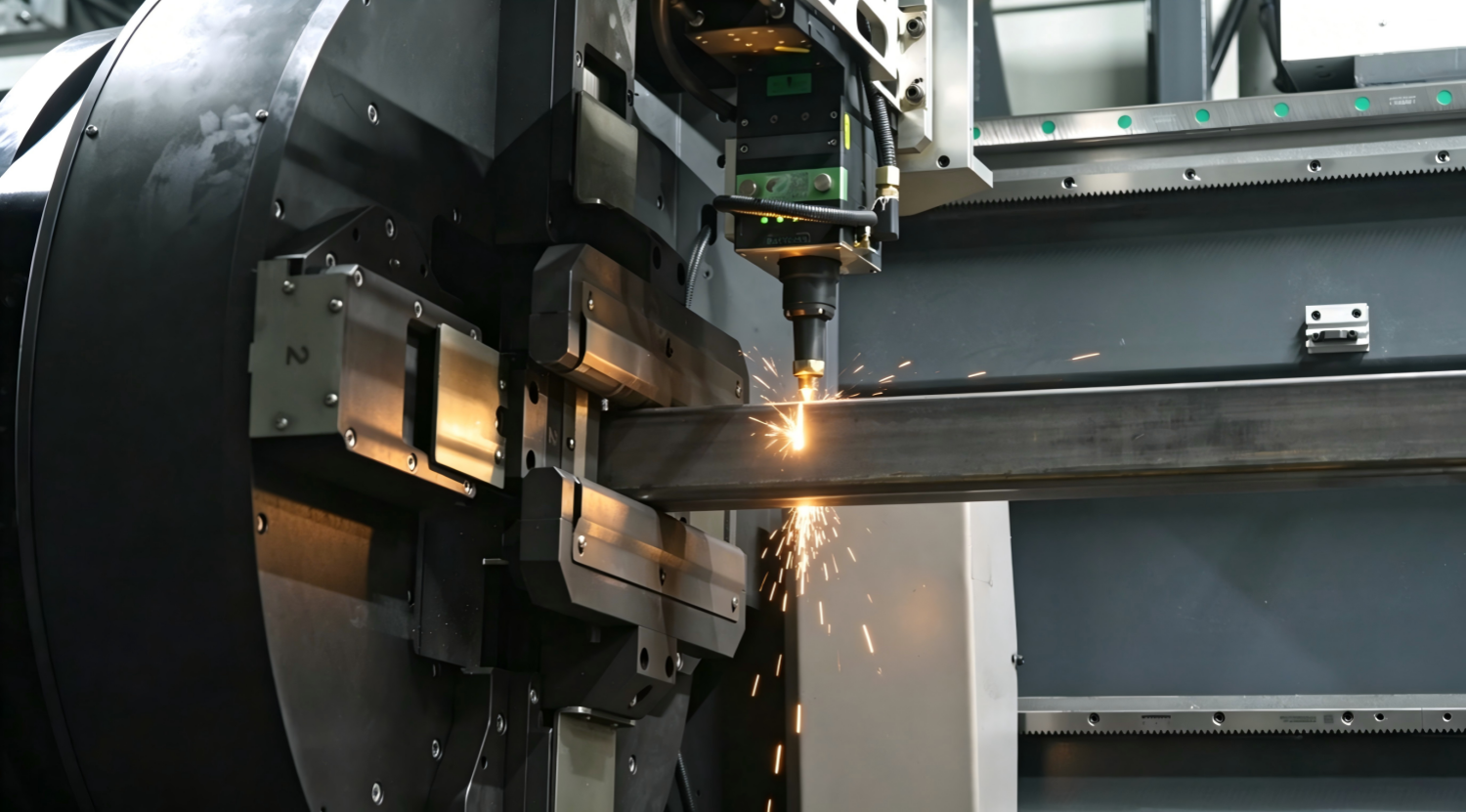
As the basic core process of laser tube cutting, the tube cutting process focuses on the core needs of "precision, efficiency and no damage", completely solving the pain points of uneven cuts, large dimensional deviations and easy burrs in traditional cutting. Relying on the coordinated operation of high-energy density laser beam and precision mechanical system, the laser can quickly melt and gasify the tube metal, and blow off the slag with high-pressure auxiliary gas, realizing precise cutting of various tubes such as round tubes, square tubes, rectangular tubes and special-shaped tubes. The perpendicularity error of the cut is ≤0.05mm/m, the dimensional accuracy is as high as ±0.03mm, and the cut is smooth without burrs, collapse or oxidation, which can directly enter the subsequent processing link without secondary grinding. This process is suitable for various materials such as carbon steel, stainless steel and aluminum alloy, and can flexibly meet the processing needs of tubes with different diameters and wall thicknesses. It is the pre-core process for all types of tube processing, greatly improving the efficiency and quality stability of subsequent processing.
Flying Cutting
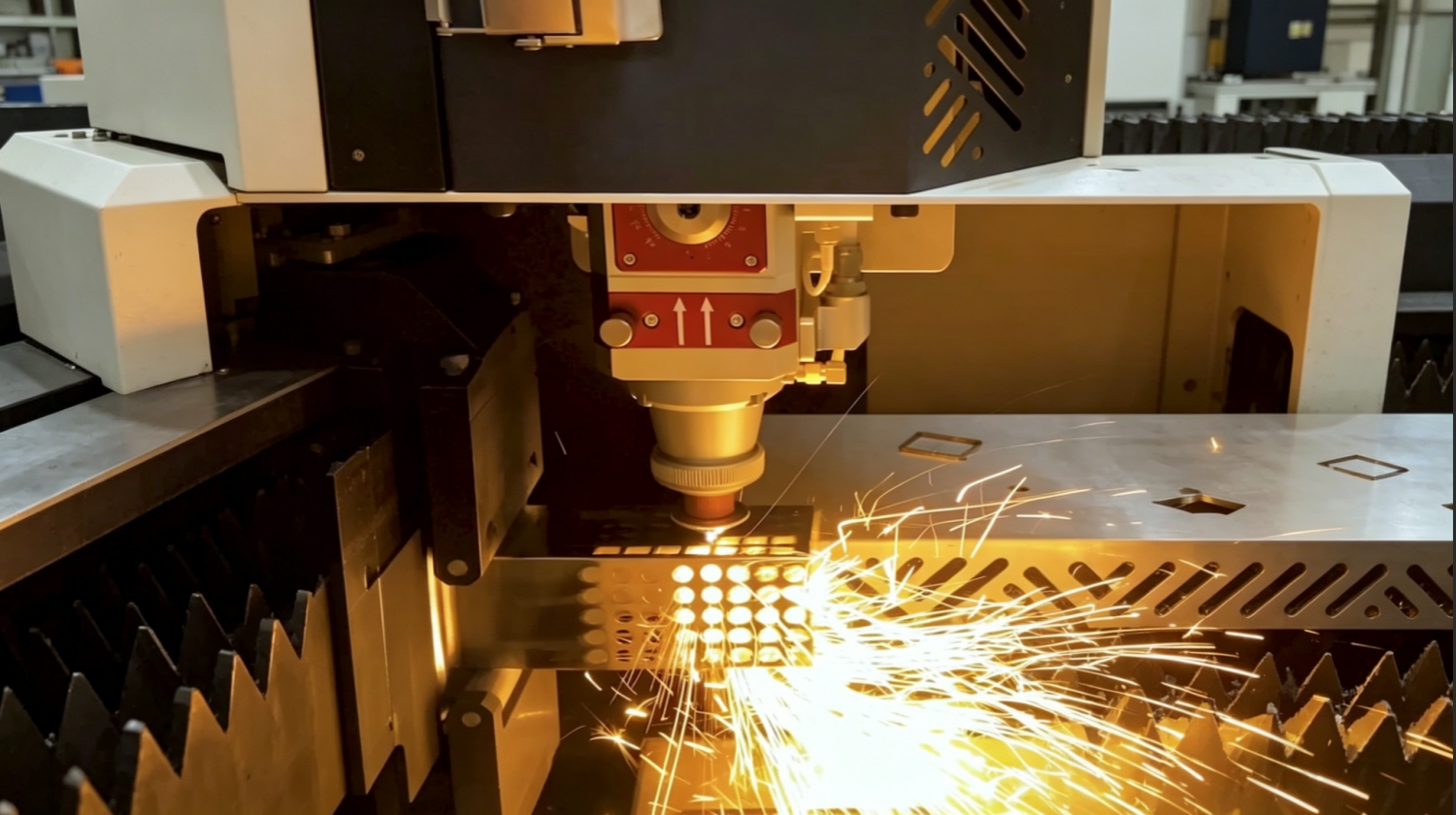
The flying cutting process is a core breakthrough to improve the efficiency of batch tube processing, redefining the high-efficiency standard of tube cutting, especially suitable for batch processing of regularly arranged holes (such as round holes, rectangular holes, waist-shaped holes) on tubes. Different from the disadvantage of frequent pauses and direction changes in traditional cutting, this process realizes non-stop continuous processing of "feeding without stopping and cutting without stopping" through the coordinated linkage of the tube dynamic conveying system and the cutting head. Combined with intelligent path optimization and sorting technology, it can automatically plan the optimal cutting trajectory according to the hole shape (arc flying cutting for circles and linear flying cutting for rectangles), supporting multiple modes such as one-stroke flying cutting and segmental flying cutting, effectively avoiding time waste caused by frequent advance and retreat of tubes. Compared with traditional processes, the cutting speed is increased by more than 40%, non-productive time is reduced by 60%, and tube vibration is reduced to ensure the precision of hole spacing. It is suitable for mass tube processing scenarios such as sheet metal factories and engineering machinery parts, greatly shortening the production cycle and improving production capacity output.
Bevel Cutting
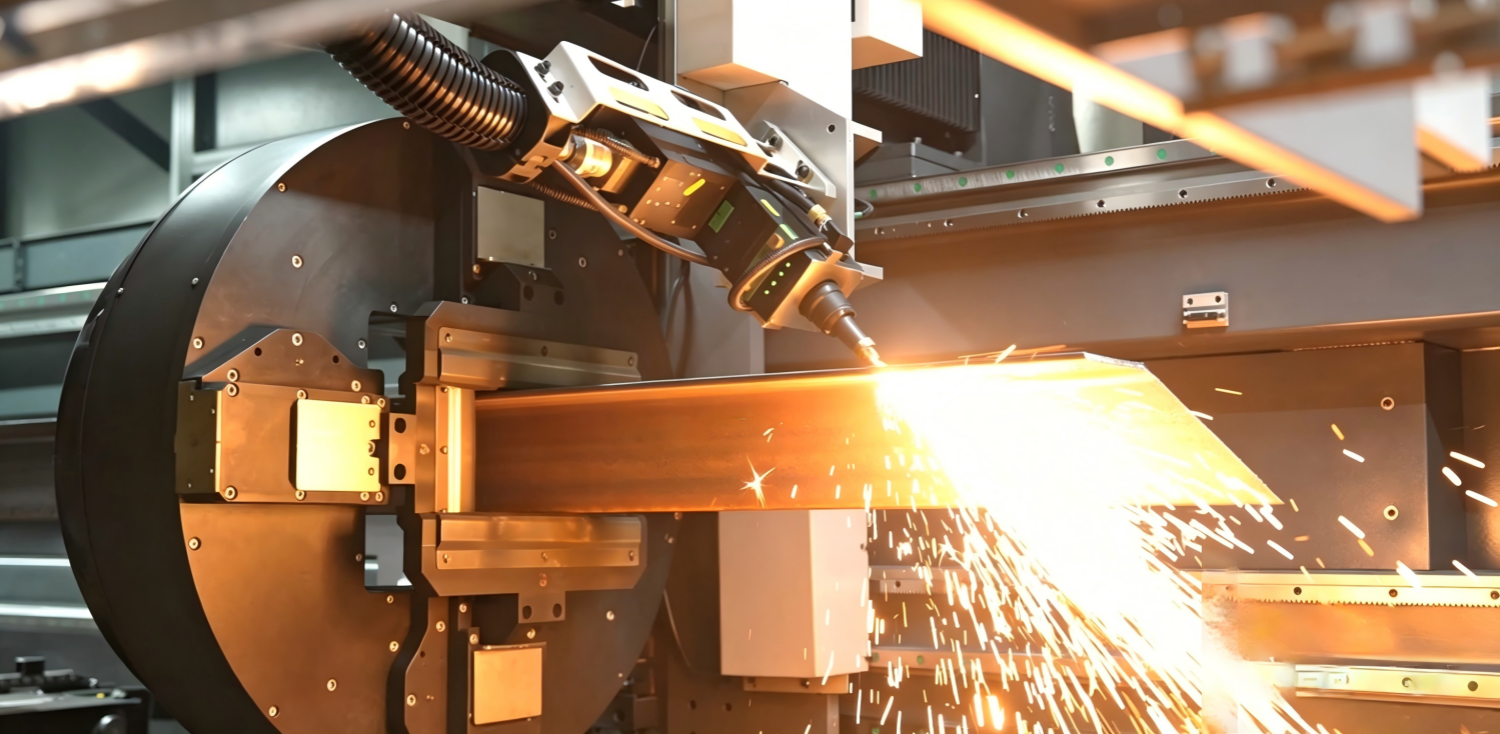
Bevel cutting process is specially designed for tube welding scenarios. It is a key process to improve welding quality and reduce welding costs, solving the industry pain points of uneven angles, low efficiency and the need for secondary trimming in traditional bevel processing. According to welding needs, this process can accurately realize arbitrary angle bevel cutting of 0-45°, supporting various bevel forms such as V-type, U-type and X-type, and is suitable for processing various tubes such as round tubes, square tubes, special-shaped tubes and multiple materials such as carbon steel, stainless steel and aluminum alloy. Through precise control of laser energy and 3D path optimization algorithm, the bevel angle error is ensured to be ≤±0.5°, and the bevel surface is smooth without burrs and oxidation, which can be directly used for welding without secondary grinding, making the weld strength reach 98% of the base metal, effectively avoiding welding defects caused by insufficient bevel precision. It is widely used in processing scenarios that require a lot of welding such as steel structure, pipeline engineering and pressure vessels, balancing welding quality and processing efficiency.
Root Cleaning Cutting
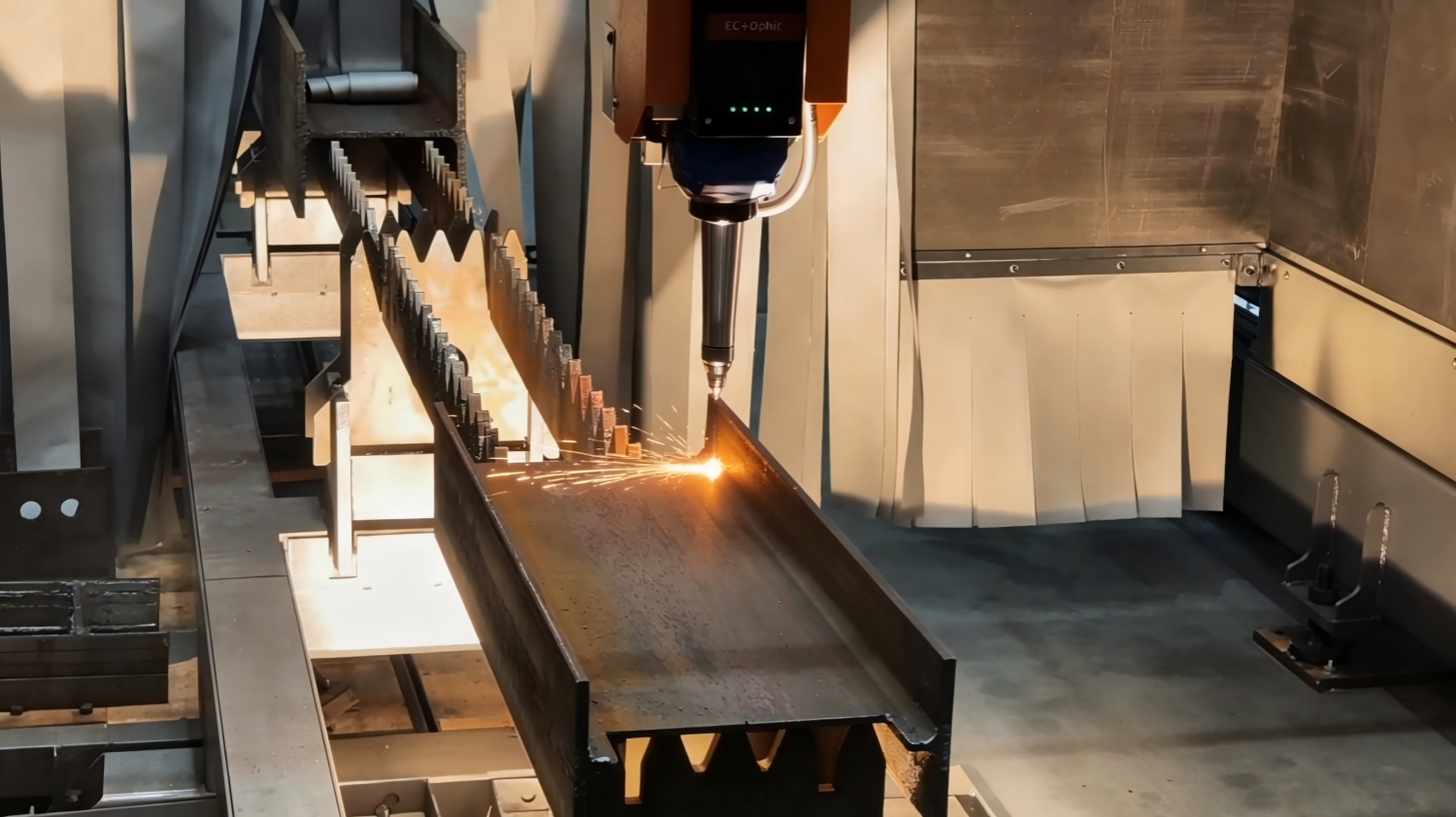
Root cleaning cutting process is a key supplementary processing process after tube welding. It focuses on the problems of residual welding slag and incomplete welding at the root after welding, realizing "integration of cutting and root cleaning", and greatly improving the quality and structural stability of welding joints. By optimizing laser power, focus position and cutting speed, this process accurately removes excess welding slag, spatter and incomplete welding parts at the welding root, and trims the root contour at the same time, making the transition of welding joints smooth, avoiding stress concentration, and improving the overall bearing capacity and corrosion resistance of the tube. The root cleaning depth can be flexibly adjusted according to the welding thickness, adapting to the subsequent processing needs of different welding processes. No manual grinding is required, which not only reduces labor intensity, but also avoids incomplete root cleaning caused by manual operation errors. It is widely used in scenarios with strict requirements on welding quality such as high-end tube welding, pressure vessels and aerospace accessories.
Zero Tailings Cutting
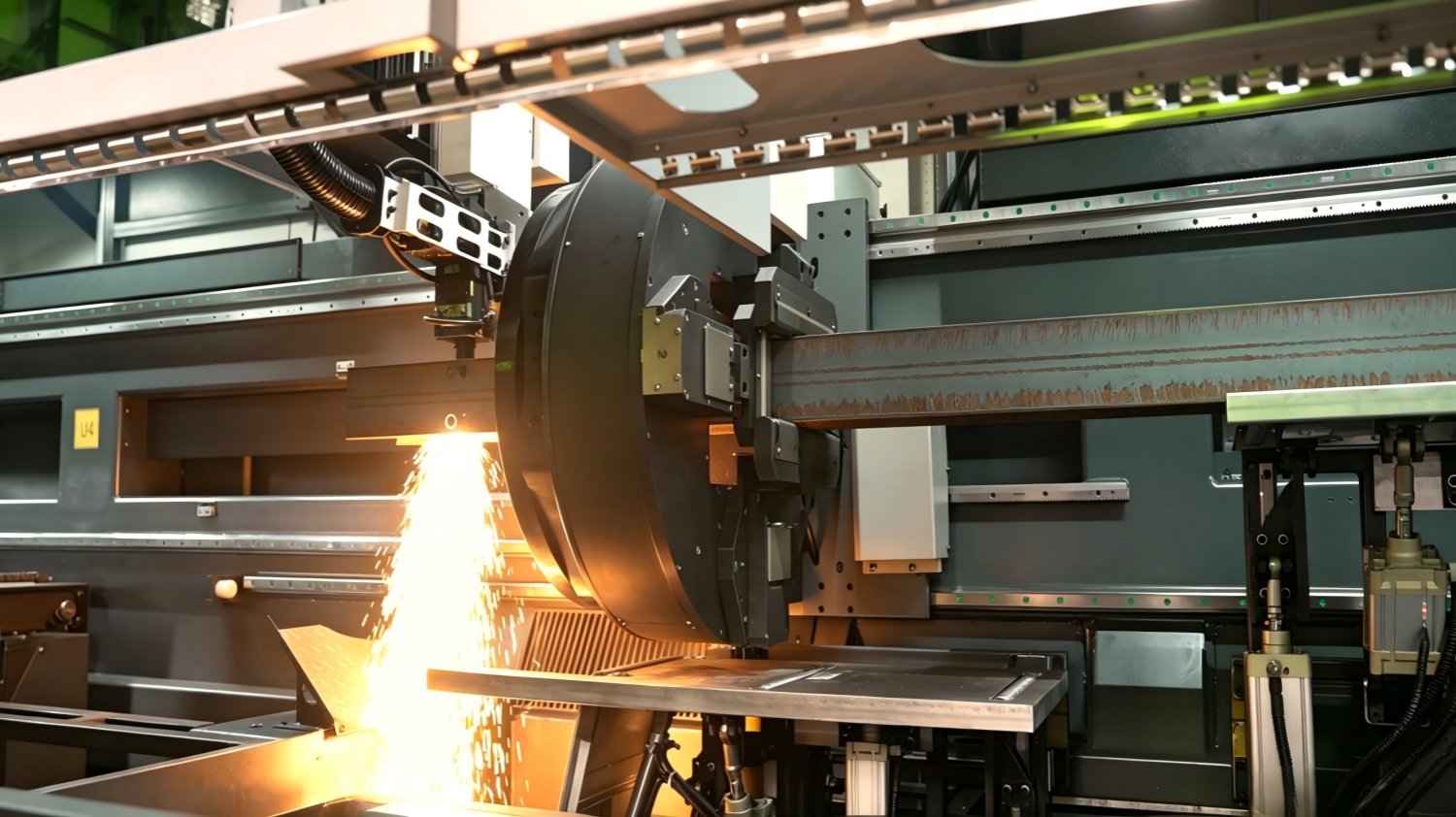
Zero tailings cutting process is a core process that balances material utilization and cost control, completely subverting the disadvantage of excessive residual tailings in traditional tube cutting, and realizing the ultimate utilization of tube resources. Through the triple optimization of "double-station floating clamp + servo feeding system + precise path planning", the front fixed clamp ensures that the main workpiece does not shift during cutting, and the rear floating clamp can stably clamp the tube with a remaining length of only 3mm. Combined with the offset cutting head design and millimetric servo feeding positioning (accuracy ±0.05mm), the tailings can be controlled within 3mm, reducing tailings waste by more than 70% compared with traditional processes. This process can adapt to continuous processing of 5-7 meter long materials without segmental cutting, increasing the material utilization rate from 82% of the traditional to 98%. At the same time, it avoids material waste caused by manual judgment errors, greatly reduces the raw material cost of tube processing, and is suitable for various production scenarios such as small and medium batch and mass production, especially for the processing of precious metals and high-end alloy tubes.
Intersecting Line Cutting
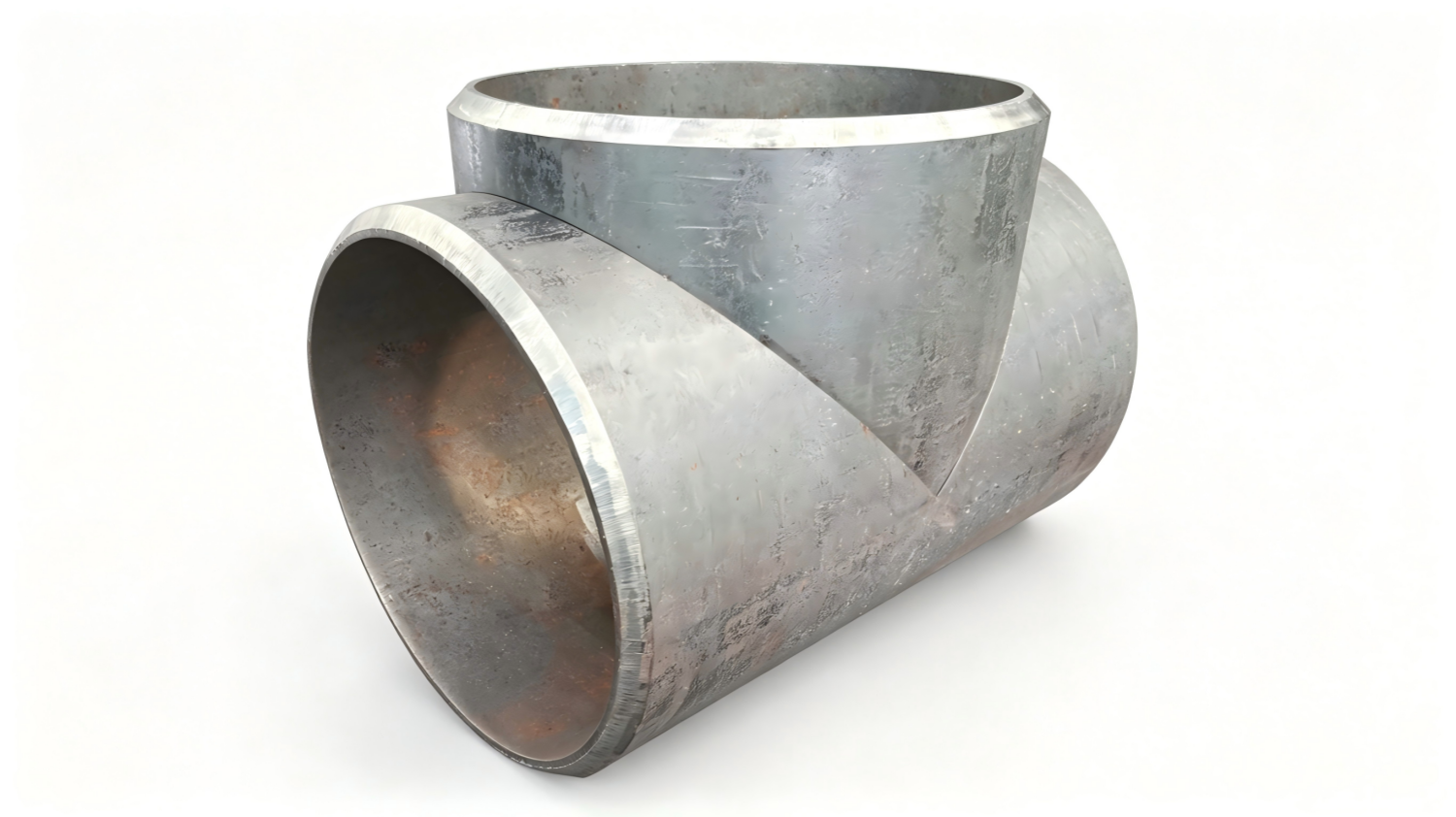
Intersecting line cutting process is the core technology for complex tube connection processing, specially designed for tube crossing and butting scenarios, solving the pain points of low precision, irregular forming and poor adaptability in traditional intersecting line processing. Relying on 3D visual positioning system and intelligent path planning algorithm, this process can accurately identify the crossing angle and diameter difference of two or more tubes, automatically generate the adaptive intersecting line cutting trajectory, supporting intersecting line cutting of various crossing forms such as round tube and round tube, round tube and square tube, square tube and square tube. The cut interface is closely fitted and dimensionally accurate, which can be directly butted and welded without secondary trimming, greatly improving the tightness and structural stability of tube connection. This process is suitable for complex processing scenarios such as steel structure nodes, pipeline branches and engineering machinery frames, and can flexibly meet the intersecting line processing needs of different diameters and angles, highlighting the intelligence and precision advantages of laser processing.
Weld Seam Recognition
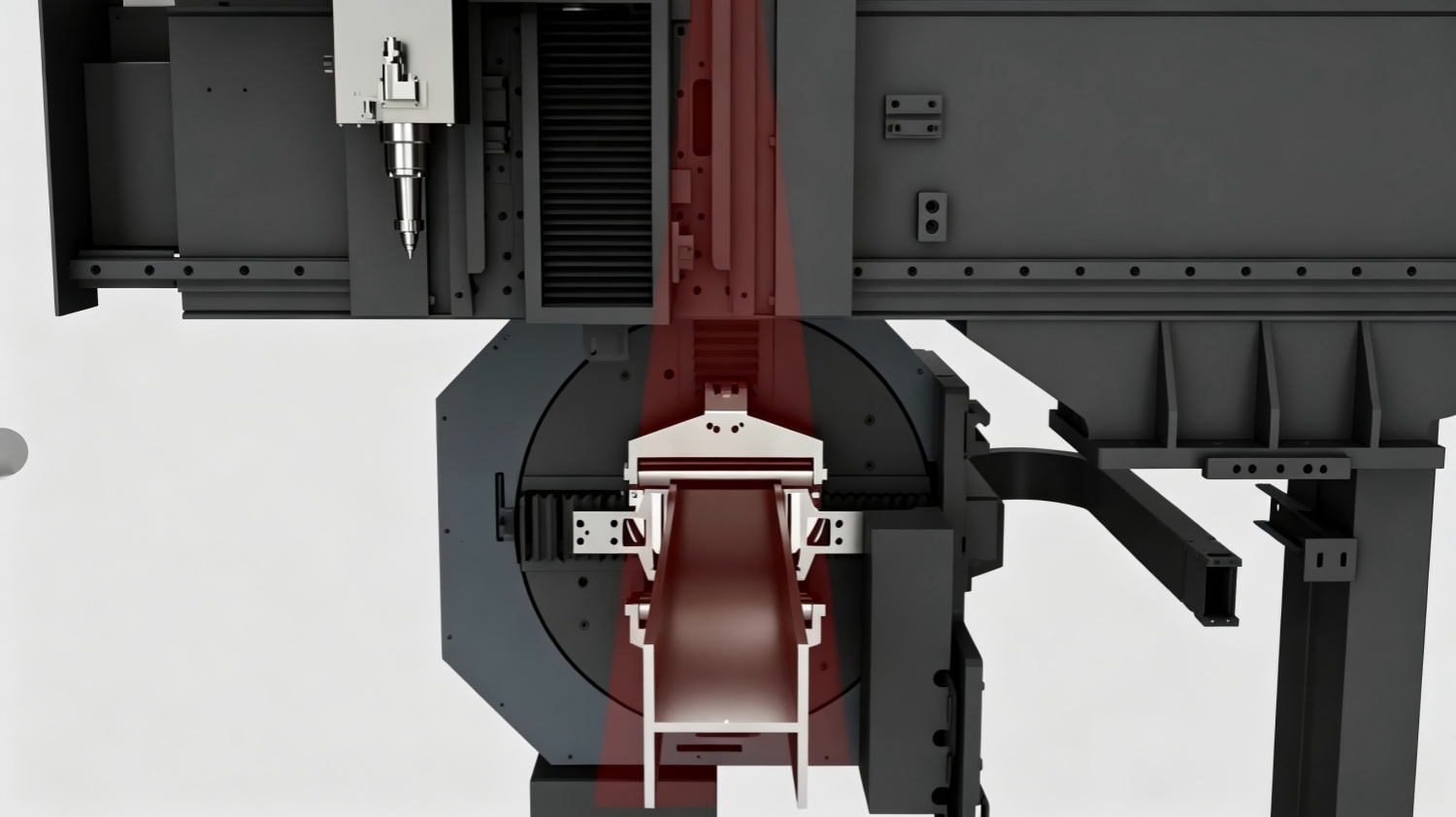
Weld seam recognition process is the key core to realize automatic and intelligent tube processing, endowing laser tube cutting machines with "visual perception" ability, and completely solving the pain points of low efficiency and large errors in manual weld seam positioning. This process adopts laser triangulation technology, emits linear laser to irradiate the surface of the tube weld seam through a 3D line laser profile sensor, collects the laser stripe deformation image with a high-resolution industrial camera, extracts key parameters such as weld seam center position, bevel angle and gap width through image processing algorithm, and real-time identifies the weld seam position and shape deviation. The recognition accuracy is as high as ±0.2mm, and the response time is <10ms. It can automatically adapt to abnormal situations such as weld seam position offset and tube bending, real-time feedback to the control system and adjust the cutting path, without manual positioning and calibration. It is suitable for various weld seam types such as butt joint, lap joint and fillet joint, and is widely used in scenarios such as post-welding trimming of tubes and auxiliary cutting for weld seam inspection, improving the level of processing automation and product qualification rate.
Rapid Centering
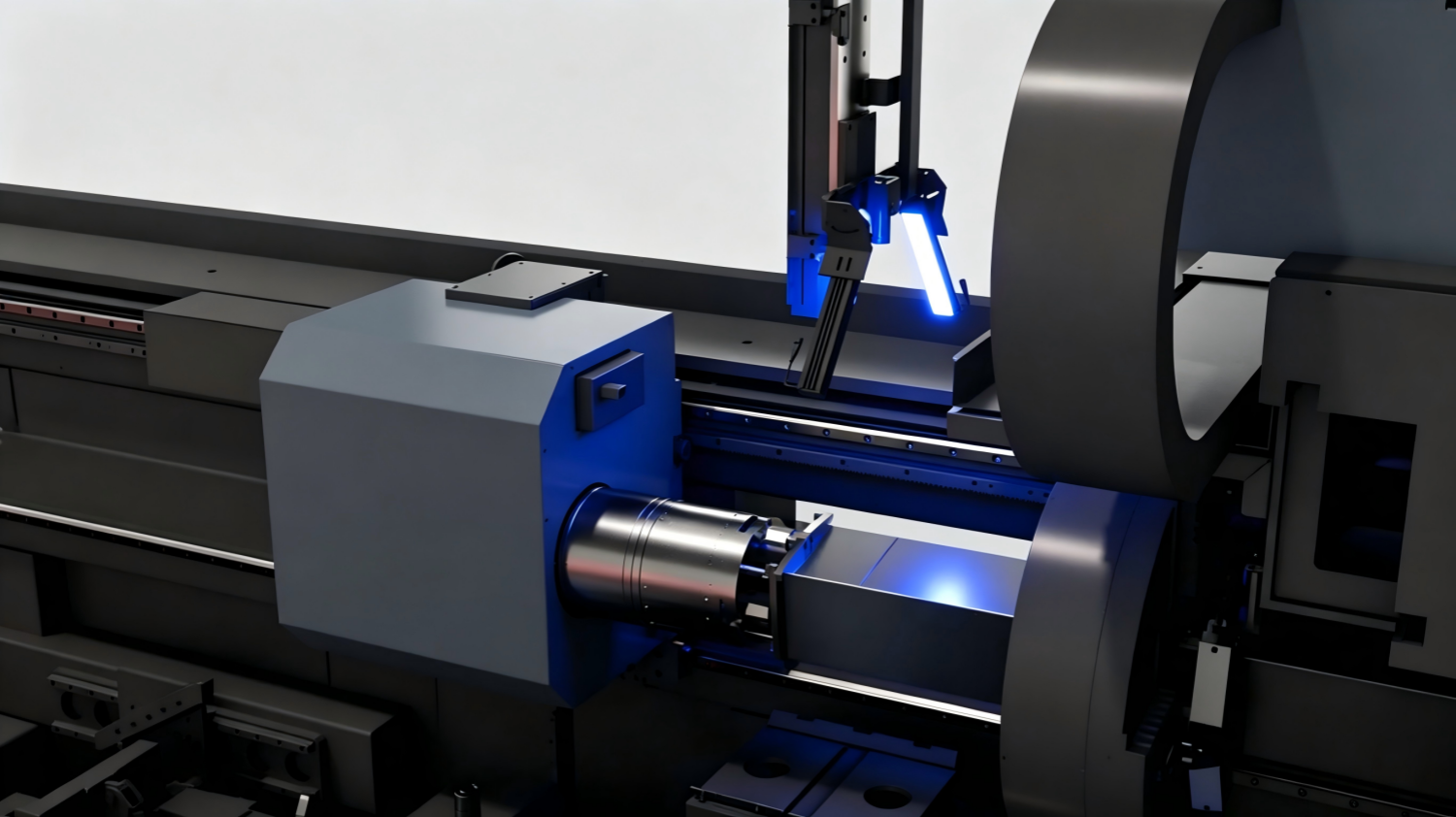
Rapid centering process is the basic premise to ensure the precision of tube cutting, solving the problems of low efficiency, poor adaptability and large errors in traditional tube centering, especially suitable for the precise positioning of various tubes such as round tubes, square tubes and special-shaped tubes. This process adopts a centering scheme based on machine vision, takes photos and scans the tube through a 3D line laser profile sensor to obtain the tube contour image, automatically matches the optimal centering algorithm according to the tube type (round tube, square tube, special-shaped tube), quickly calculates the tube center position, and accurately aligns it with the mechanical rotation center of the equipment. The centering time is shortened to within 3 seconds, which is more than 80% higher than the traditional capacitive centering efficiency. The centering accuracy is as high as ±0.02mm, which can automatically compensate for errors such as tube ovality and bending, ensuring the precise alignment between the laser cutting head and the tube center, providing stable precision guarantee for all subsequent cutting processes, avoiding cutting dimensional deviations and cut skew caused by center offset, and adapting to batch processing scenarios of multiple varieties and specifications of tubes, improving production continuity and stability.
The eight core processes cooperate with each other, running through the entire process of tube cutting. From basic cutting to complex forming, from efficiency improvement to quality assurance, from manual intervention to intelligent automation, they fully cover the tube processing needs of different industries and scenarios. With process innovation as the core, we deeply integrate advanced laser technology, intelligent control technology and tube processing needs, enabling laser tube cutting machines to achieve the core advantages of "high precision, high efficiency, high stability and high cost performance", helping customers solve the pain points of traditional tube processing, empowering manufacturing upgrading with technology, and consolidating the core competitiveness of enterprises.


Copyright © 2026 奔腾激光(浙江)股份有限公司 Ltd. All Rights Reserved. POWERED BY WEIMOBTRADE
